Joseph's Well Get the Guide
Off-Grid Water Guide

Joseph's Well:Build Your Own Condensation-Based Water Collector

Joseph's Well is a step-by-step digital guide to building a basic condensation-based water collector — using the same principle behind a household dehumidifier — for off-grid living, homesteading, and emergency preparedness.

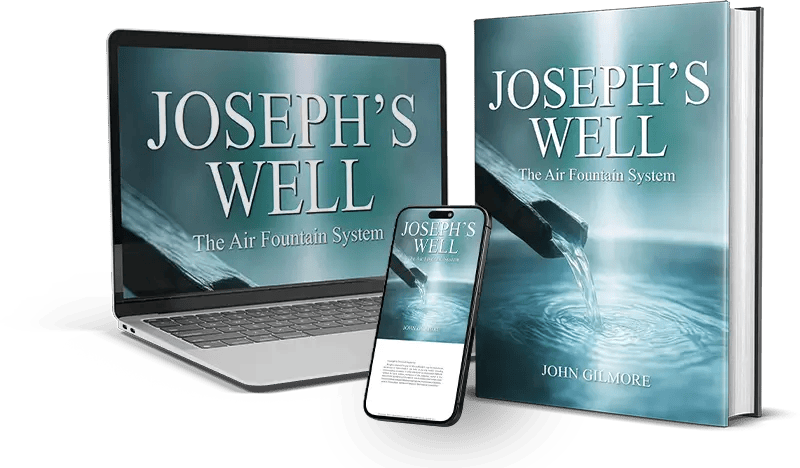
Joseph's Well digital guide on laptop, phone, and printed book
Instant digital delivery 2 companion guides included Step-by-step diagrams 60-day money-back guarantee
How atmospheric water collection works

The same principle as your dehumidifier — pointed at a practical use.

Air is drawn across a cooled surface. Because cool air holds less moisture than warm air, water vapor condenses out of it into liquid droplets — the same process that fogs up a cold glass on a humid day. Those droplets collect in a reservoir, where they can be filtered before use.

How much water you actually get depends almost entirely on your local humidity and temperature. In a humid climate, a small collector can gather a meaningful amount of water over a day. In a dry climate, yields drop off sharply — sometimes to very little. This is a supplemental water source, not a guaranteed replacement for your primary supply.

Any water collected this way should be filtered and, ideally, tested before drinking — condensation collectors can pick up dust, pollen, or residue from the materials used to build them.
humid air in cold coil collected water Condensation → Collection
Warm humid air
Cooled below its dew point, water vapor condenses into liquid
What's inside the guide

Six modules that walk you through the whole process, start to finish.

01

Understanding Condensation

The basic science of pulling water from air, explained without the jargon.

02

Building Your Collector

Step-by-step assembly instructions using materials available at most hardware stores.

03

Power Options

Running your setup on standard household power, or adapting it for solar and battery use off-grid.

04

Filtering Your Water

Basic filtration steps to take before using or drinking any water you collect.

05

Realistic Expectations

Honest yield ranges by climate and season, so you know what to expect before you build.

06

Safety & Legal Basics

What to know about electrical safety and local water-collection rules before you start.

This is an educational, beginner-friendly guide — not a promise of a specific daily water output. Results depend heavily on your local climate.

Benefits

What this guide gives you

01

A supplemental water source

Learn to generate a supplemental supply of water from air, alongside — not instead of — your existing water source.

02

Uses a renewable resource

Atmospheric moisture is present nearly everywhere, so this method doesn't depend on a well running dry or a reservoir level dropping.

03

Far cheaper than commercial units

Commercial atmospheric water generators can cost thousands of dollars. This DIY approach uses common, affordable materials instead.

04

Works on-grid or off-grid

Run it on standard household power, or adapt it for solar panels and battery storage for off-grid use.

05

No drilling or heavy equipment

Because it doesn't draw from groundwater, there's no drilling, well permits, or excavation involved.

06

Beginner-friendly instructions

Step-by-step videos and diagrams are written for everyday users — no engineering background required.

07

Quiet, compact operation

Designed to run quietly and fit in a garage, shed, or covered outdoor space without major construction.

08

Useful for emergency preparedness

A backup water-generation method to have on hand for outages, boil-water notices, or other disruptions.

✓Instant digital access
✓Beginner-friendly instructions
✓Step-by-step diagrams
✓2 companion guides included
✓60-day money-back guarantee
Companion guides

Included free with your purchase

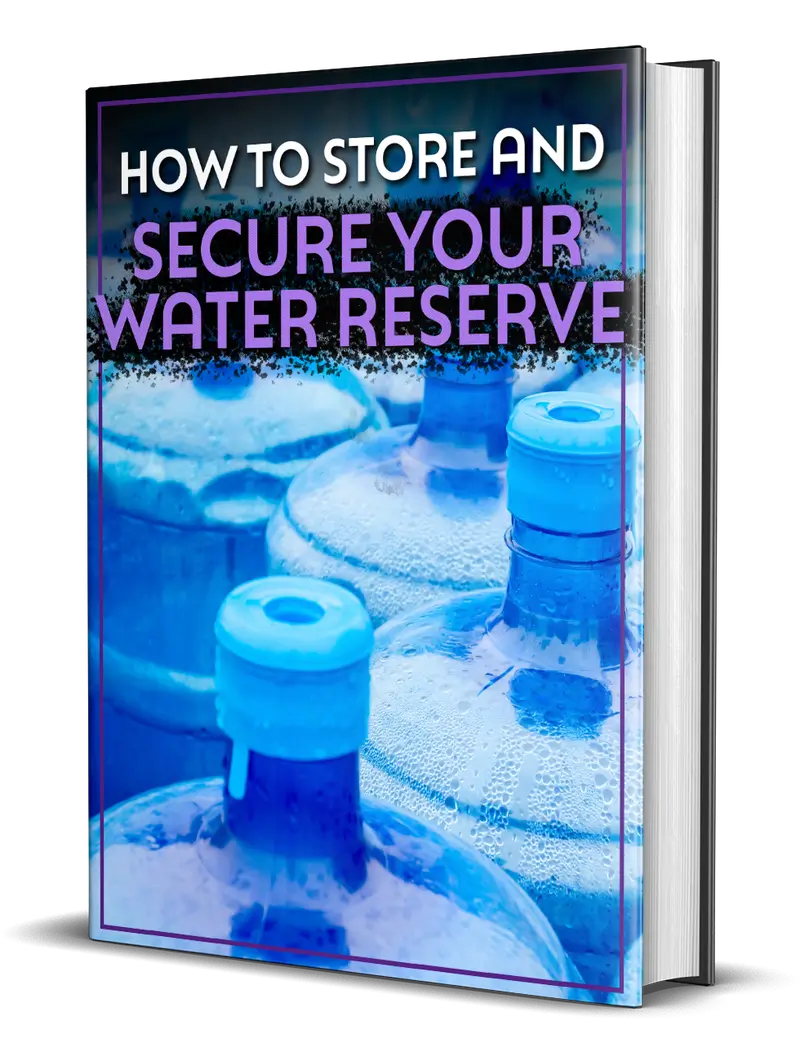
How to Store and Secure Your Water Reserve

How to Store and Secure Your Water Reserve

Practical guidance on storing water safely for the long term — containers, rotation schedules, and keeping stored water safe to drink.

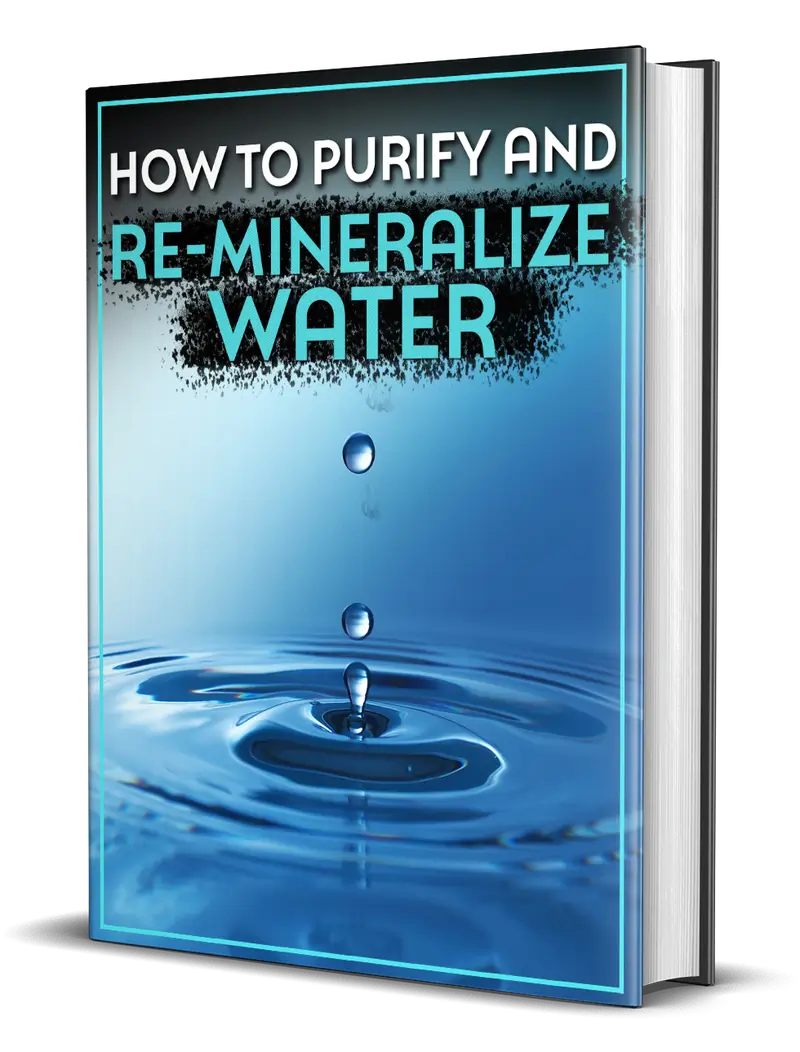
How to Purify and Re-Mineralize Water

How to Purify and Re-Mineralize Water

Common purification methods — boiling, filtration, and basic treatment — plus how to add minerals back for better taste.

Understanding Common Water Contaminants

Understanding Common Water Contaminants

A plain-English overview of what's typically tested for in drinking water, and why regular testing matters — based on general public health guidance, not scare tactics.

Pros

  • Instant digital access — start reading right away
  • No specialized or hard-to-find equipment needed
  • Scalable — adjust the setup as your needs grow
  • Fully repairable and modifiable, since it's DIY
  • Teaches transferable skills in condensation, filtration, and basic power setups
  • No subscriptions or ongoing fees after purchase

Cons

  • Requires hands-on assembly and following instructions carefully
  • Water output depends heavily on humidity, temperature, and climate
  • A supplemental source, not a full replacement for municipal or well water
Who it's for

Who tends to get the most out of this guide

Off-grid & homestead households

Anyone living partly or fully off standard utilities.

Emergency-preparedness minded households

People who want a backup plan for outages or boil-water notices.

Residents of humid, drought-affected areas

Where atmospheric moisture is more plentiful and useful.

DIY-comfortable hobbyists

People happy to follow instructions and build something themselves.

Renters & apartment dwellers

Since it doesn't require drilling or permanent modifications.

Anyone curious about the science

People who just want to understand how atmospheric water generation works.

Getting started

How you'll use the guide

1

Read through the guide and gather materials — most are available at a hardware or appliance store.

2

Pick a location with decent airflow and access to power, and follow the build diagrams step by step.

3

Power it on — standard outlet or a solar/battery setup — and let the condensation process begin.

4

Filter collected water using the companion guide before storing or using it, and check the system periodically.

Setup planning

How to choose a practical location for your collector

Good airflow

Choose a location with adequate airflow so the system can interact with the surrounding humid air.

Safe access to power

Plan for the power source and keep electrical components protected from moisture.

Easy maintenance

Leave enough room to inspect, clean, and monitor the collector and reservoir.

Climate factors

What affects water collection?

01

Humidity

Higher humidity generally provides more atmospheric moisture for condensation.

02

Temperature

Condensation depends on cooling moist air below its dew point, so temperature conditions influence performance.

03

Equipment and setup

Construction, airflow, cooling performance, and maintenance can all affect actual output.

Water safety

Water safety checklist before use

Inspect

Check the collector, tubing, and storage container for visible dirt, residue, or damage.

Filter

Follow an appropriate filtration process before using collected water.

Test when possible

Water testing can help verify quality, especially before drinking or long-term storage.

Maintenance

Simple maintenance habits

1

Inspect collection surfaces and containers regularly.

2

Clean components according to the guide and applicable manufacturer instructions.

3

Check electrical connections and power components before operating.

4

Monitor output and adjust expectations as seasonal humidity changes.

Build smarter

Common mistakes to avoid

Avoid

  • Expecting the same water output in every climate
  • Skipping regular cleaning and inspection
  • Assuming collected water is automatically safe to drink
  • Operating electrical equipment without appropriate safety precautions

Better approach

  • Track local humidity and seasonal conditions
  • Maintain the system consistently
  • Filter and test water when appropriate
  • Use the collector as a supplemental source rather than guaranteed primary supply
Preparedness

Build an emergency water plan around multiple sources

Use the collector as one part of a broader preparedness plan that may also include safely stored water, appropriate purification methods, and awareness of local emergency guidance. The guide itself presents atmospheric collection as supplemental and climate-dependent.

Get the guide

Choose digital-only, or add a printed edition.

Digital Guide

Instant download · includes both companion guides

$39
$99
Get Instant Access

Delivered to your email immediately

60 day money-back guarantee

Try it for 60 days. If it's not useful to you, we'll refund it.

If Joseph's Well isn't a good fit for you — for any reason — contact us within 60 days of purchase for a full refund of your purchase price.

Questions

Frequently asked questions

How much water can I realistically expect?+

It depends heavily on your local humidity and temperature. In humid climates, a small collector can gather a meaningful amount of water over the course of a day; in dry climates, output drops off sharply. Treat this as a supplemental water source you can build and improve over time — not a guaranteed daily quantity.

Can I power it off-grid?+

Yes. The guide covers both standard household power and off-grid setups using solar panels and battery storage. Off-grid output will depend on how much power your setup can reliably provide.

Is it legal to build?+

Collecting water for personal household use is generally allowed in most areas, since you're not drilling a well or tapping a municipal line. That said, rules vary by location — check your local regulations, especially if you plan to scale up your setup or share collected water with others.

How fast do I get access after I order?+

The digital guide, diagrams, and both companion guides are delivered to your email immediately after purchase. If you add the printed edition, that ships separately and arrives by mail.

Do I need any special skills or tools?+

No advanced skills are required. The guide is written for beginners and uses materials commonly available at hardware stores. Basic comfort with simple tools and, for some setups, basic electrical connections is helpful.

Where should I place the collector?+

Choose a practical location with airflow, safe access to power, protection for electrical components, and enough room for maintenance.

Does humidity change throughout the year?+

Yes. Seasonal and daily conditions can affect available atmospheric moisture and therefore potential collection.

How often should I clean the system?+

Inspect and maintain the collector regularly, following the guide and any applicable equipment instructions.

Joseph's Well digital guide on laptop, phone, and printed book
Ready when you are

Get instant access to the full guide.

Includes both companion guides, step-by-step diagrams, and a 60-day money-back guarantee.

Get the Guide
Joseph's Well is an educational guide. Actual water yield varies significantly based on climate, humidity, and equipment, and is not guaranteed. Always filter and, where possible, test any collected water before drinking it. This guide is not a substitute for professional water testing or municipal water service. Consult local regulations before building or operating a water collection system.